Can You Make Alfredo Sauce With Milk? 7 Surprising Facts
Many home cooks find themselves ready to make Alfredo sauce only to realize they don’t have heavy cream in the refrigerator. It’s a common situation, especially when you’re craving a comforting pasta dinner and want to avoid an extra trip to the store. That often leads to the question: can you make Alfredo sauce with milk?
The short answer is yes. While traditional Alfredo sauce is known for its rich texture, milk can be used successfully to create a smooth and satisfying sauce. The key is understanding how milk behaves differently from heavy cream and what techniques help achieve the creamy consistency people expect from Alfredo.
In this guide, you’ll learn whether milk works in Alfredo sauce, the differences between milk and cream, how to make Alfredo sauce with milk successfully, common mistakes to avoid, and practical tips from real kitchen experience. Whether you’re making an easy Alfredo sauce for a weeknight meal or experimenting with a homemade Alfredo sauce with milk for the first time, this article will help you get better results.
What Can You Make Alfredo Sauce With Milk?
Yes, you can make Alfredo sauce with milk. While traditional Alfredo recipes often rely on butter, Parmesan cheese, and sometimes heavy cream, milk can be used as a substitute to create a creamy sauce when prepared correctly.
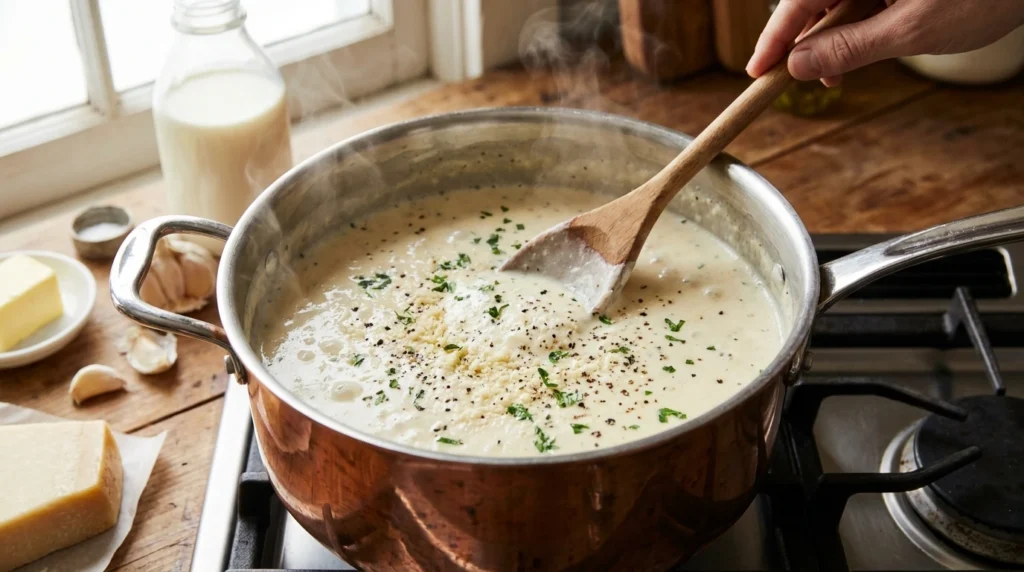
Many modern versions of Alfredo sauce with milk use a thickening method such as a roux, which combines butter and flour before milk is added. This helps create the silky texture that heavy cream naturally provides.
Using milk also produces a lighter sauce than recipes made with heavy cream. While the flavor remains rich and cheesy, the overall texture is usually less dense and slightly less indulgent.
For many home cooks, milk-based Alfredo is a practical option because milk is often already available in the kitchen. It can reduce calories while still delivering the comforting taste associated with Alfredo pasta.
Why It Happens and Why It Matters
Heavy cream contains significantly more fat than milk. That fat contributes to Alfredo sauce’s signature richness, thickness, and stability.
When using milk instead of cream, several things change:
- The sauce contains less fat.
- The sauce thickens more slowly.
- Cheese can separate more easily if overheated.
- The final texture may be lighter.
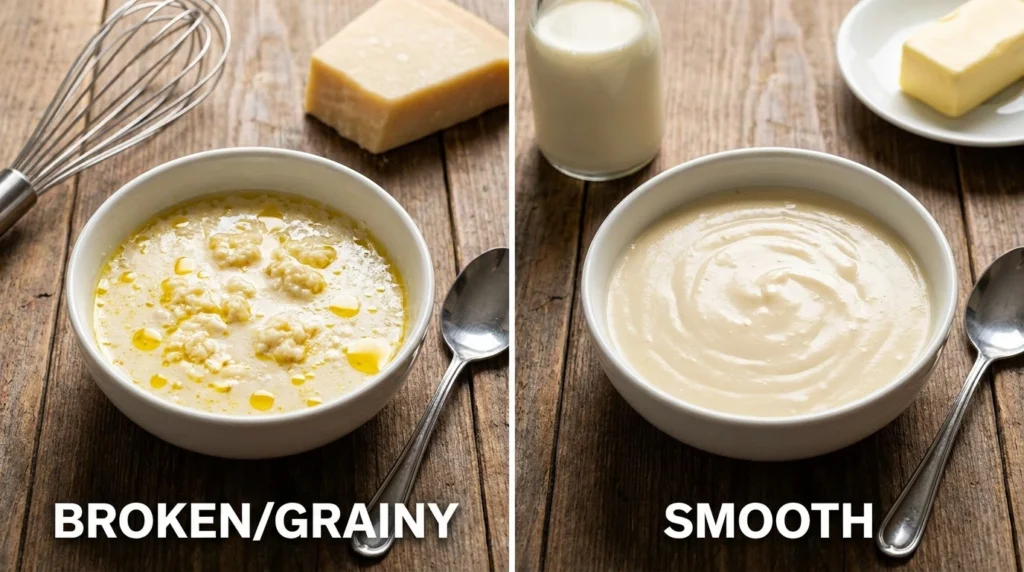
Understanding these differences matters because many people expect milk to behave exactly like cream. When it doesn’t, they often end up with a thin, grainy, or broken sauce.
The good news is that proper technique can compensate for milk’s lower fat content. Thousands of home cooks successfully make homemade Alfredo sauce with milk every day by controlling heat, thickening properly, and choosing the right dairy products.
While milk can create a delicious Alfredo sauce, many home cooks prefer the extra richness of Fettuccine Alfredo Sauce With Half and Half for special occasions and restaurant-style results.
How to Do It Correctly
If you’re wondering how to make Alfredo sauce with milk successfully, follow these principles rather than focusing only on ingredients.
1. Choose the Right Milk
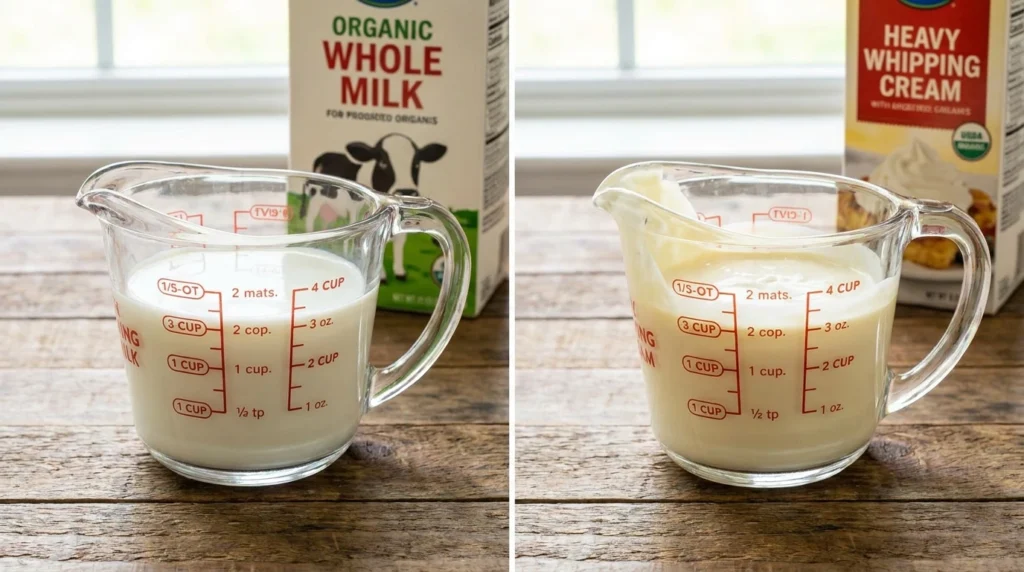
Whole milk generally produces the best results.
| Milk Type | Result |
| Whole Milk | Richest and creamiest |
| 2% Milk | Good balance of richness and lightness |
| 1% Milk | Thinner consistency |
| Skim Milk | Least creamy, requires more thickening |
If you’re learning how to make Alfredo sauce with whole milk, you’ll usually achieve a smoother and more authentic texture than with lower-fat varieties.
2. Build a Proper Base
Many milk-based Alfredo sauces start with a roux.
If you’ve searched how to make a roux for Alfredo, the process is simple:
- Melt butter.
- Add flour.
- Cook briefly until smooth.
- Slowly whisk in milk.
This creates a stable foundation that helps thicken the sauce evenly.
3. Add Milk Gradually
Pouring milk too quickly can cause lumps.
Instead:
- Add small amounts at first.
- Whisk continuously.
- Allow the mixture to smooth out before adding more.
This technique helps create a velvety texture.
4. Keep Heat Moderate
One of the biggest secrets to creamy Alfredo is temperature control.
High heat can:
- Cause cheese to clump.
- Separate fats from liquids.
- Create a grainy texture.
Gentle heat allows the sauce to stay smooth and creamy.
5. Add Cheese Slowly
Parmesan should be added gradually rather than all at once.
This allows the cheese to melt evenly into the sauce and reduces the risk of clumping.
6. Finish With Pasta Water if Needed
If the sauce becomes too thick, a small amount of pasta cooking water can improve consistency while helping the sauce cling to noodles.
Common Mistakes to Avoid
Using Cold Milk Straight From the Refrigerator
- Why it happens: People often add milk directly from the carton.
- Problem: Sudden temperature changes can make sauces cook unevenly.
- Solution: Allow milk to warm slightly before adding.
Cooking Over High Heat
- Why it happens: Trying to speed up the process.
- Problem: Cheese separates and sauce becomes grainy.
- Solution: Maintain medium-low heat throughout cooking.
Adding Cheese Too Quickly
- Why it happens: It seems faster.
- Problem: Cheese may clump together instead of melting smoothly.
- Solution: Add small handfuls while stirring continuously.
Using Pre-Shredded Cheese
- Why it happens: Convenience.
- Problem: Anti-caking agents can affect texture.
- Solution: Freshly grate Parmesan whenever possible.
Expecting Milk to Act Like Heavy Cream
- Why it happens: Many recipes look similar.
- Problem: The sauce may seem thinner than expected.
- Solution: Use thickening techniques and adjust expectations accordingly.
Best Tips From Experience
After testing both cream-based and milk-based Alfredo sauces multiple times, a few practical lessons stand out.
Whole Milk Makes a Noticeable Difference
When comparing Alfredo whole milk versions to lower-fat milk versions, whole milk consistently produces better texture and flavor.
Fresh Parmesan Is Worth It
Freshly grated Parmesan melts more smoothly and creates a richer flavor than packaged alternatives.
Patience Produces Better Results
Most Alfredo problems happen because cooks rush the process. A few extra minutes of gentle stirring often makes the difference between a silky sauce and a broken one.
Season Carefully
Parmesan is naturally salty. Taste before adding additional salt.
Garlic Enhances Flavor
Many easy homemade Alfredo sauce variations benefit from a small amount of sautéed garlic. It adds depth without overpowering the cheese.
Heavy Cream vs Milk for Alfredo Sauce
Many people wonder whether they should use milk or cream.
| Feature | Heavy Cream | Milk |
| Richness | Very rich | Moderate |
| Calories | Higher | Lower |
| Thickness | Naturally thick | Requires thickening |
| Ease of Use | Easier | Needs more technique |
| Traditional Texture | Closest | Slightly lighter |
| Cost | More expensive | Usually cheaper |
If you’re making homemade Alfredo sauce with heavy cream, achieving a luxurious texture is easier. However, Alfredo made with milk can still be creamy, flavorful, and satisfying when prepared correctly.
Homemade Alfredo vs Store Bought Alfredo
| Feature | Homemade | Store-Bought |
| Freshness | Excellent | Varies |
| Flavor Control | Complete | Limited |
| Ingredients | Adjustable | Fixed |
| Preservatives | None | Often included |
| Customization | Easy | Difficult |
A homemade Alfredo sauce with milk gives you complete control over consistency, seasoning, and richness.
Does Alfredo Sauce Have Milk?
This is another common question.
Traditional Alfredo sauce originated as a simple combination of butter and Parmesan cheese. Modern American-style Alfredo sauces often include dairy such as heavy cream, milk, or a combination of both. So while not every Alfredo sauce contains milk, many contemporary versions do.
FAQ
Can you make Alfredo sauce with milk instead of heavy cream?
Yes. Milk can replace heavy cream, although the sauce typically requires additional thickening techniques to achieve a similar consistency.
Can you use milk for Alfredo sauce without flour?
Yes, but the sauce may be thinner. Some cooks rely on Parmesan cheese and butter alone for thickening, though results vary.
What milk is best for Alfredo sauce?
Whole milk usually provides the best balance of creaminess, flavor, and texture.
Can you make Alfredo sauce with whole milk?
Absolutely. Many cooks prefer Alfredo sauce with whole milk because it creates a richer sauce than lower-fat alternatives.
Can you add milk to Alfredo sauce?
Yes. Milk can thin an overly thick Alfredo sauce while maintaining a creamy texture.
How do you make Alfredo sauce using milk without it becoming grainy?
Use low heat, add cheese gradually, and avoid boiling the sauce after the cheese has been added.
Is Alfredo with milk healthier than Alfredo with heavy cream?
Generally, yes. Milk contains less fat and fewer calories than heavy cream, making it a lighter option.
How do you make fettuccine Alfredo with milk?
The key is creating a smooth milk-based Alfredo sauce first and then tossing it with freshly cooked fettuccine so the pasta absorbs and carries the sauce evenly.
Conclusion
So, can you make Alfredo sauce with milk? Yes, and many home cooks do it successfully. While milk doesn’t provide the same richness as heavy cream, proper techniques can create a smooth, flavorful, and satisfying Alfredo sauce that works beautifully with pasta.
The most important factors are choosing the right milk, controlling heat, adding cheese gradually, and understanding how milk differs from cream. Whether you’re making an easy Alfredo sauce for a quick dinner or learning how to make homemade Alfredo sauce with milk from scratch, these principles will help you achieve better results every time.
For more Alfredo sauce guides, explore related topics such as Alfredo sauce spices, homemade Alfredo sauce with heavy cream, Alfredo sauce with whole milk, and techniques for creating the perfect creamy pasta sauce at home.