Penne Alfredo Recipe (Creamy, Easy & Better Than Restaurant Style)

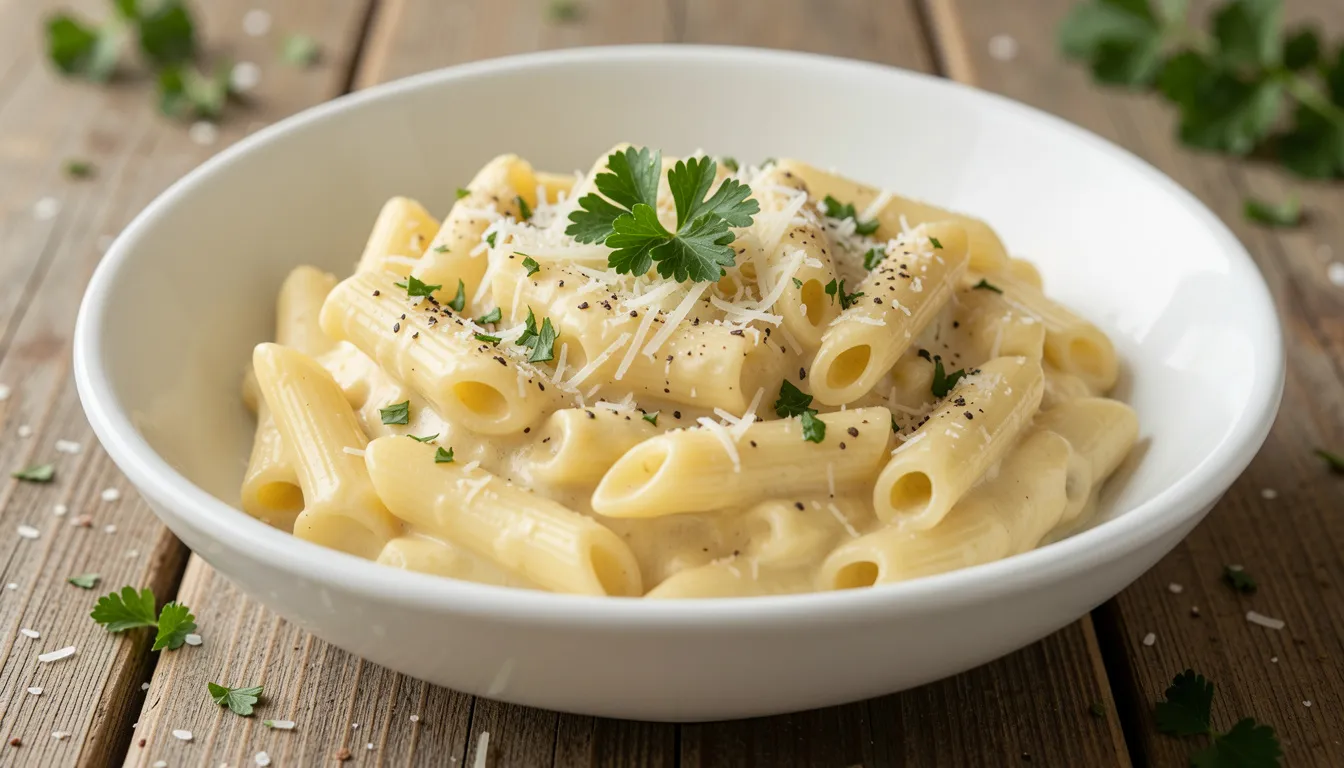
Penne Alfredo Recipe is is one of those dinners that feels special without asking for a lot of work. It comes together with tender penne pasta and a rich Alfredo sauce that coats every piece. The ridges and hollow center of penne hold onto the sauce, so every bite is creamy instead of dry.
Many recipes focus only on the cooking steps, but they skip the small details that make the biggest difference. Things like using freshly grated Parmesan, controlling the heat, and knowing when the sauce is ready can turn an average pasta dinner into one that tastes much better.
This guide goes beyond the recipe card. You’ll learn why certain ingredients matter, how to avoid common Alfredo mistakes, and what to do if something doesn’t go as planned. By the end, you’ll know not just how to make Penne Alfredo, but why each step works.
What Is Penne Alfredo?
Penne Alfredo is a creamy pasta dish made with penne pasta, butter, heavy cream, and Parmesan cheese. The sauce is smooth, rich, and coats every piece of pasta. It usually takes about 30 minutes to prepare and is popular because it’s simple enough for weeknights while still feeling comforting and satisfying.
Unlike traditional fettuccine Alfredo, this version uses penne pasta. The tube shape and ridges catch the creamy sauce inside and outside each piece, giving you plenty of flavor in every bite. It is a favorite for family dinners because it’s easy to serve and pairs well with chicken, shrimp, vegetables, or even crispy bacon.
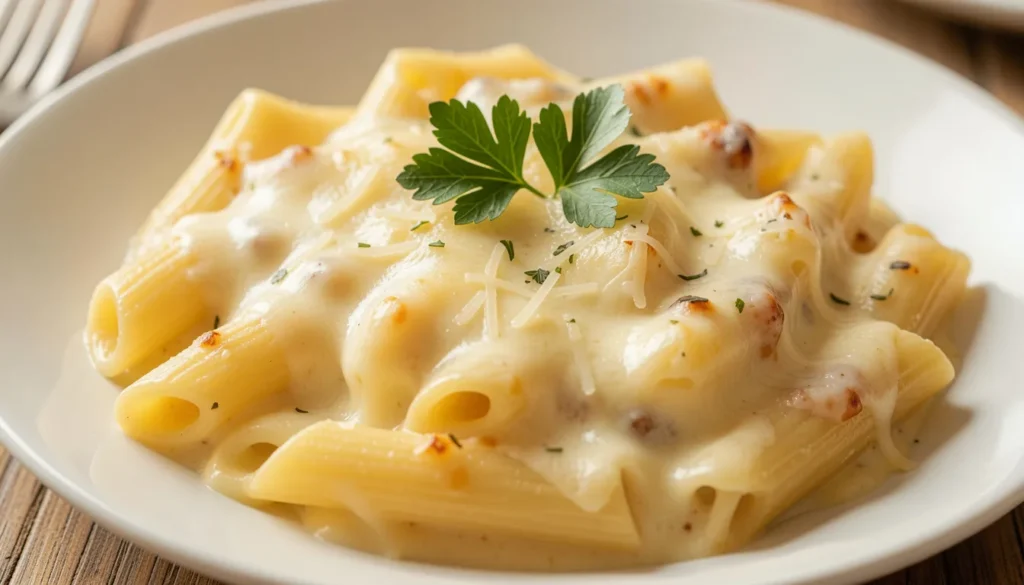
Although Alfredo has Italian roots, the creamy version most people know today became popular in the United States. Using penne instead of fettuccine is a modern twist that makes the dish easier to eat and perfect for casseroles, meal prep, and busy weeknight dinners.
Recipe Overview
Penne Alfredo is rich without being complicated. It has a silky, buttery sauce with a mild garlic flavor and plenty of Parmesan cheese. The pasta stays tender while holding onto the sauce, making every forkful creamy from start to finish.
This recipe works well for weeknight dinners, family meals, date nights, or even small gatherings. You can enjoy it as a simple meatless pasta or add grilled chicken, shrimp, mushrooms, or broccoli to make it more filling.
Homemade vs. Jarred Alfredo Sauce
Many people wonder if making Alfredo from scratch is worth the extra effort. The answer depends on what matters most to you.
| Homemade Alfredo | Jarred Alfredo |
| Rich, fresh flavor | Convenient and fast |
| Creamier texture | Can taste heavier or processed |
| Costs about the same for a family meal | Slightly cheaper when on sale |
| Takes about 20 minutes | Ready in minutes |
| Best for special dinners and better flavor | Best when you’re short on time |
If you have an extra 15 to 20 minutes, homemade Alfredo usually delivers a smoother texture and fresher taste. Jarred sauce is still a practical option on busy nights, but adding fresh Parmesan, garlic, or herbs can improve its flavor.
Why You’ll Love This Penne Alfredo
There are plenty of creamy pasta recipes, but this version focuses on the little details that help you get better results every time.
The sauce stays smoother
Fresh Parmesan melts more evenly than pre-grated cheese, creating a silky sauce instead of a grainy one. Keeping the heat low during the final step also helps everything blend together.
Penne holds more sauce
Unlike long noodles, penne traps Alfredo sauce inside each piece. That means every bite stays creamy, even after the pasta has been mixed.
Easy to customize
You can keep it simple or turn it into a full meal with grilled chicken, shrimp, mushrooms, spinach, broccoli, or crispy bacon. The base recipe works well with almost any protein or vegetable.
Budget friendly
A homemade batch usually costs less than ordering Alfredo from a restaurant. Most of the ingredients are pantry or refrigerator staples, making it a practical dinner for busy families.
Great for beginners
The recipe uses simple ingredients and doesn’t require special equipment. Once you understand a few basic techniques, you’ll be able to make creamy Alfredo with confidence.
Before You Start
Before you head to the recipe card, keep these quick tips in mind:
- Grate your Parmesan fresh if possible for the smoothest sauce.
- Save a little pasta water before draining the penne.
- Keep the heat at medium-low once the cream starts warming.
- Add the cheese gradually instead of all at once.
- Serve the pasta soon after mixing, while the sauce is still silky.
These small details only take a minute, but they make a noticeable difference in the final dish.

Penne Alfredo Recipe
Ingredients
Equipment
Method
- Bring a large pot of salted water to a boil. Cook the penne until al dente according to the package directions.
- Before draining the pasta, reserve ½ cup of the pasta cooking water.
- Melt the butter in a large skillet over medium-low heat.
- Add the minced garlic and cook for about 30 seconds until fragrant. Do not let it brown.
- Pour in the heavy cream and cook over low heat until small bubbles appear around the edges. Do not let it boil.
- Gradually stir in the grated Parmesan cheese until completely melted and smooth.
- Season with black pepper, salt, and Italian seasoning if using.
- Add the cooked penne and toss until every piece is coated with the sauce.
- Stir in a little reserved pasta water if the sauce is too thick.
- Garnish with fresh parsley and extra Parmesan before serving.
Notes
- Freshly grated Parmesan melts much better than pre-shredded cheese.
- Keep the heat low after adding the cream and cheese.
- Save pasta water before draining the pasta.
- Add the cheese gradually for the smoothest sauce.
- Alfredo sauce thickens as it cools, so serve it immediately.
Ingredient Notes: Why Each Key Ingredient Matters
A handful of simple ingredients come together to make Penne Alfredo, but each one has an important job. Knowing what each ingredient contributes makes it much easier to adjust the recipe without losing its creamy texture.
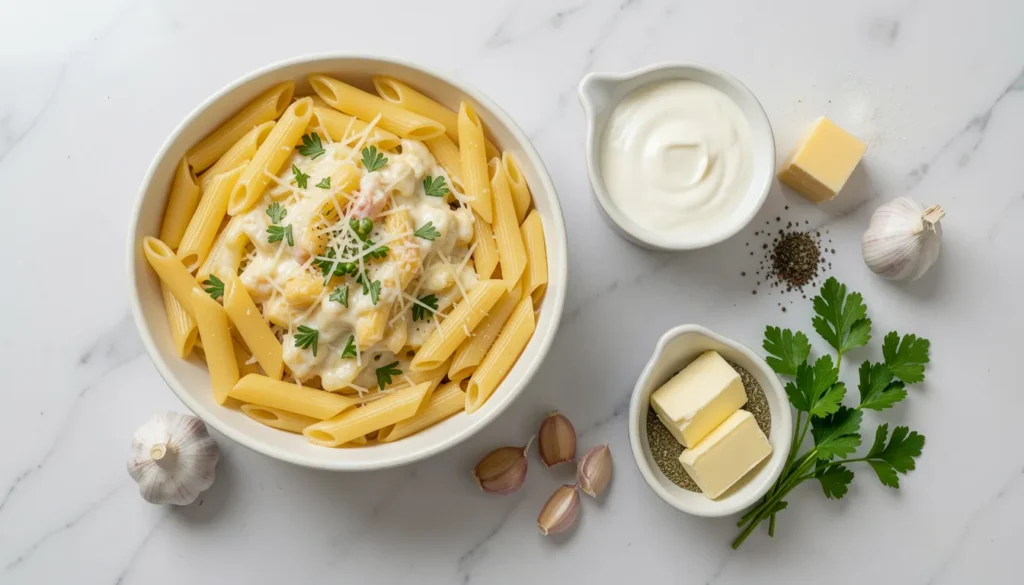
Fresh Parmesan Makes the Biggest Difference
If you can choose only one premium ingredient, make it the Parmesan cheese.
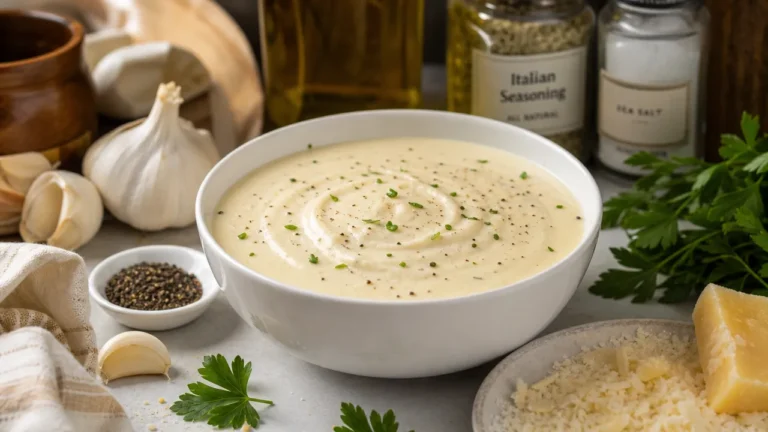
Freshly grated Parmesan melts smoothly because it contains very few additives. Many pre-shredded cheeses include anti-caking agents that keep the pieces from sticking together. Those same additives can prevent the cheese from melting evenly, leaving the sauce grainy instead of silky.
Fresh Parmesan also has a stronger, nuttier flavor, so you often need less cheese to achieve the same richness.
Good substitute: Pecorino Romano creates a sharper, saltier flavor.
What changes: The sauce becomes bolder and slightly saltier, so taste before adding extra seasoning.
Why Heavy Cream Creates a Rich Sauce
Heavy cream provides the smooth, velvety texture that Alfredo is known for.
Its higher fat content helps butter and cheese blend together instead of separating. It also stands up well to gentle heat, making it less likely to curdle than lighter dairy products.
Using half-and-half or whole milk can work, but the finished sauce won’t be as rich or thick.
If you choose a lighter option, expect a thinner consistency and a milder flavor.
Butter Does More Than Add Flavor
Butter is one of the foundations of Alfredo sauce.
Besides adding richness, it helps create an emulsion—a stable mixture that keeps the fat from separating. When melted gently with cream, butter creates a smooth base that allows the Parmesan to melt evenly.
Salted butter works in a pinch, but unsalted butter gives you better control over the final seasoning.
Garlic Should Support the Sauce
Garlic gives Alfredo a gentle savory flavor without overpowering the cheese. Fresh garlic creates a sweeter, cleaner taste than garlic powder, but it cooks quickly. If garlic turns dark brown, it develops bitterness that carries through the entire sauce. Cook it just until fragrant before adding the cream.
Why Penne Is a Great Choice
Many people think Alfredo only belongs with fettuccine, but penne offers several advantages. Its hollow center catches creamy sauce inside every piece. The ridges on the outside help even more sauce cling to the pasta. Because of its sturdy shape, penne also reheats better than many long noodles.
The Cooking Science Behind Creamy Penne Alfredo
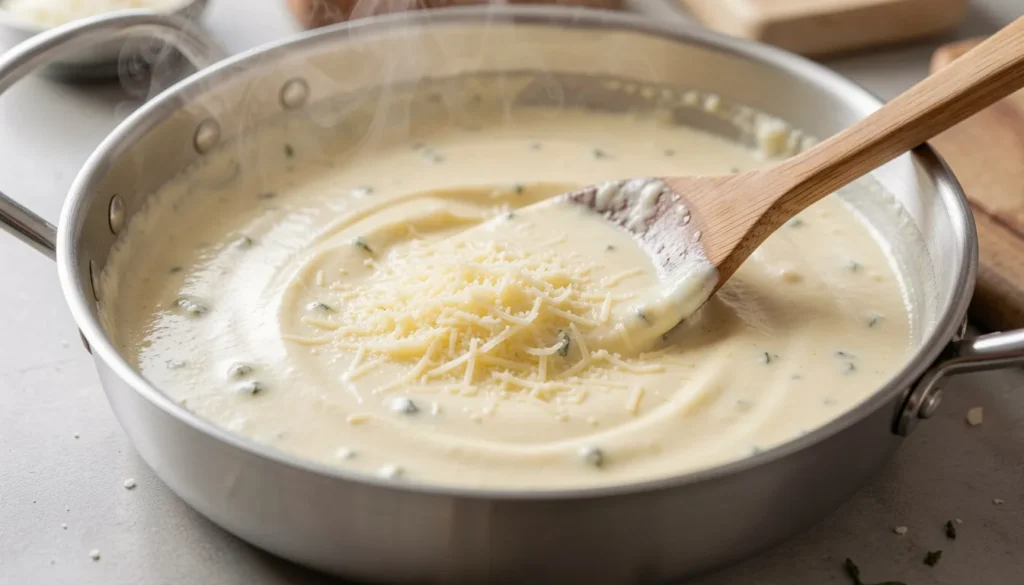
Understanding why the sauce works makes it much easier to avoid common problems.
Why Low Heat Matters
One of the biggest reasons Alfredo sauce becomes grainy is excessive heat. Parmesan is a delicate cheese. When exposed to high temperatures, its proteins tighten too quickly instead of melting smoothly. Lowering the heat before adding the cheese gives it time to melt gradually into the cream. A gentle simmer is all you need. If the sauce starts boiling rapidly, reduce the heat before continuing.
Why Pasta Water Makes Alfredo Creamier
Many home cooks skip the reserved pasta water, but it can completely change the texture of the finished dish. Pasta water contains natural starch released while the pasta cooks. That starch helps the butter, cream, and cheese stay blended together.
If the sauce feels too thick, adding one or two tablespoons of pasta water at a time loosens it without making it watery. It also helps the sauce coat every piece of penne more evenly.
Why the Sauce Thickens After Serving
Many people worry that Alfredo sauce becomes too thick after a few minutes.
This is completely normal.
As the sauce cools, the butter firms up slightly and the cheese continues absorbing moisture. For that reason, it’s usually better to leave the sauce just a little thinner than you want while it’s still in the pan. By the time it reaches the table, it will have the perfect consistency.
The Most Common Penne Alfredo Mistakes
Even simple recipes can go wrong if a few small details are overlooked. Here are the mistakes that cause most Alfredo problems—and how to avoid them.
Using High Heat
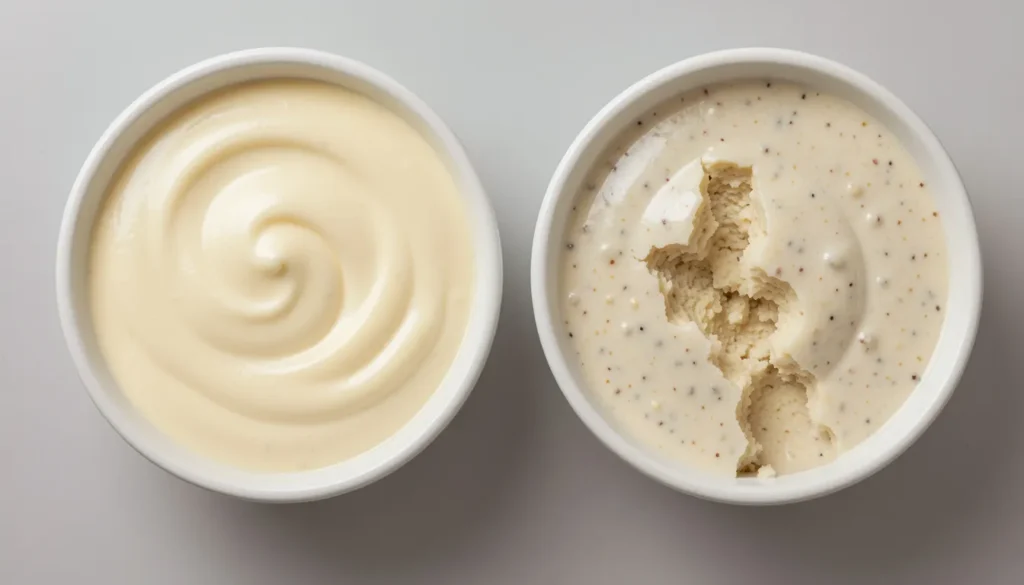
High heat is responsible for many broken Alfredo sauces. When dairy gets too hot, the butter can separate and the cheese may become grainy. Instead, keep the sauce at a gentle simmer and reduce the heat before stirring in the Parmesan.
Adding All the Cheese at Once
Dumping in the entire bowl of cheese may seem faster, but it often creates clumps.
Overcooking the Pasta
Forgetting to Reserve Pasta Water
Seasoning Too Early
Quick Success Tips
- Use freshly grated Parmesan whenever possible.
- Keep the heat low once the cream begins to warm.
- Reserve at least ½ cup of pasta water before draining.
- Add cheese gradually instead of all at once.
- Serve immediately for the creamiest texture.
Easy Variations You Can Try
One of the best things about Penne Alfredo is how easy it is to customize. The creamy sauce pairs well with different proteins, vegetables, and seasonings, so you can make the recipe fit your taste or use ingredients you already have at home.
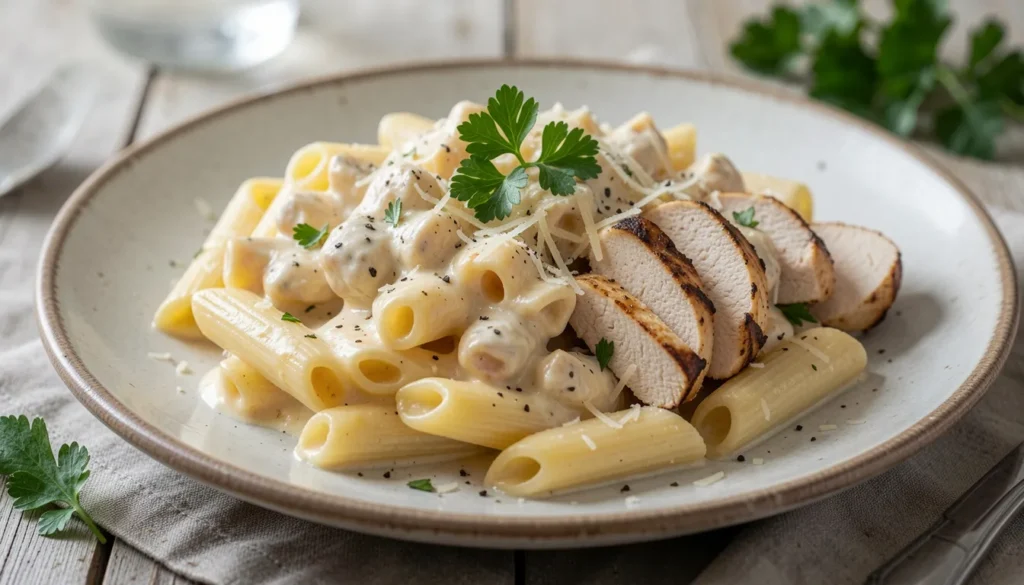
Chicken Penne Alfredo
Grilled or pan-seared chicken breast is one of the most popular additions. Slice it thinly and stir it into the pasta just before serving. A little Italian seasoning and black pepper help bring everything together.
Shrimp Alfredo
Shrimp cooks quickly and adds a slightly sweet flavor that works well with the rich sauce. Cook the shrimp separately and add it at the end so it stays tender instead of rubbery.
Broccoli Alfredo
Steamed broccoli adds color, texture, and freshness. It also balances the richness of the sauce without changing the classic Alfredo flavor.
Mushroom Alfredo
Sauté sliced mushrooms until they release their moisture and turn lightly golden. Their earthy flavor pairs naturally with Parmesan and garlic.
Spicy Alfredo
If you enjoy a little heat, stir in crushed red pepper flakes or a pinch of cayenne pepper. Start with a small amount since the creamy sauce softens spicy flavors.
Lighter Version
Replace part of the heavy cream with half-and-half or whole milk. The sauce won’t be quite as rich, but it still tastes creamy enough for an everyday dinner.
What to Serve with Penne Alfredo
Because Alfredo sauce is rich and creamy, lighter side dishes help create a balanced meal.
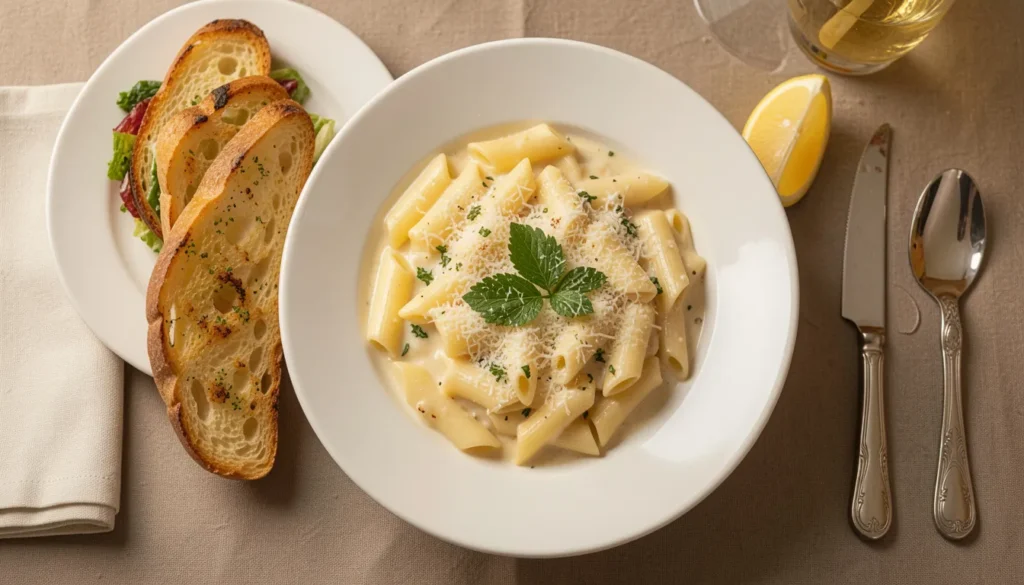
Garlic Bread
Warm garlic bread is one of the easiest pairings. The crispy crust is perfect for soaking up any extra Alfredo sauce left on the plate.
Caesar Salad
A crisp Caesar salad adds fresh lettuce and a tangy dressing that balances the richness of the pasta.
Roasted Vegetables
Roasted broccoli, asparagus, zucchini, or Brussels sprouts add texture and a slightly smoky flavor that complements the creamy sauce.
Grilled Chicken
If you’re serving Penne Alfredo as a side dish, grilled chicken turns it into a complete meal without much extra work.
Fresh Green Salad
A simple salad with tomatoes, cucumbers, and a light vinaigrette keeps the meal from feeling too heavy.
You might also like:
Add more flavor with our Seasoning for Alfredo guide, make a comforting Chicken Alfredo Recipe for dinner, or try our Chicken Alfredo Pizza Recipe for a delicious twist on classic Alfredo flavors.
How to Store, Freeze, and Reheat Penne Alfredo
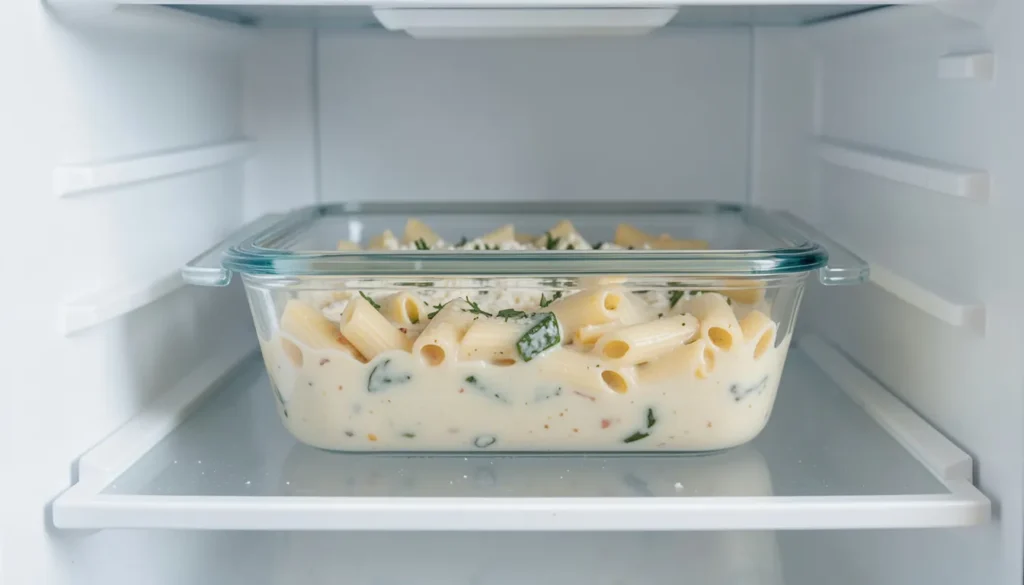
Alfredo tastes best fresh, but leftovers can still be delicious if stored and reheated properly.
| Storage Method | How Long | Notes |
| Room Temperature | Up to 2 hours | Discard after this for food safety. |
| Refrigerator | 3–4 days | Store in an airtight container. |
| Freezer | Up to 2 months | Texture may change slightly after thawing. |
Can You Freeze Penne Alfredo?
Yes, but expect a small texture change.
Cream-based sauces sometimes separate after freezing because the fat and liquid pull apart during thawing. The flavor usually stays good, but the sauce may look less smooth.
To improve the texture, thaw the pasta overnight in the refrigerator before reheating.
Best Way to Reheat
Stovetop (Recommended)
| Method | Time | Result | Best For |
| Stovetop | 5–8 minutes | Creamiest texture | Most leftovers |
| Microwave | 1–2 minutes at 50% power | Good if stirred often | Single servings |
| Oven | 20–25 minutes at 350°F | Even heating | Large portions |
For the stovetop, add a splash of milk, cream, or reserved pasta water while reheating. Stir gently over low heat until the sauce becomes smooth again.
Avoid boiling the sauce during reheating, as this can cause the cheese to separate.
Frequently Asked Questions
Final Thoughts on Penne Alfredo
Penne Alfredo proves that a simple pasta dinner can still feel special. With just a few quality ingredients and the right techniques, you can make a creamy, flavorful meal that tastes far better than many restaurant versions.
The biggest difference comes from understanding why the recipe works. Freshly grated Parmesan melts more smoothly, gentle heat keeps the sauce silky, and a little reserved pasta water can rescue the texture if it becomes too thick. Those small details often matter more than adding extra ingredients.
Whether you keep it classic or add chicken, shrimp, or vegetables, Penne Alfredo is a recipe that’s easy to make your own. If you try it, I’d love to hear how it turned out and what variation became your favorite.