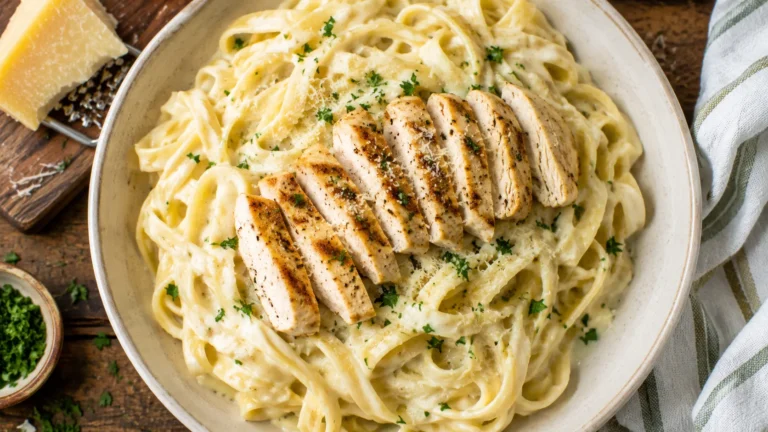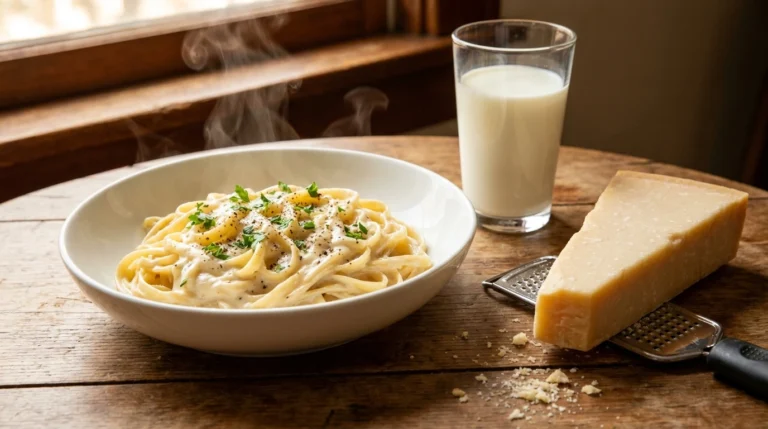
Fettuccine Noodles How to Make, Cook, Store & Serve Them Perfectly

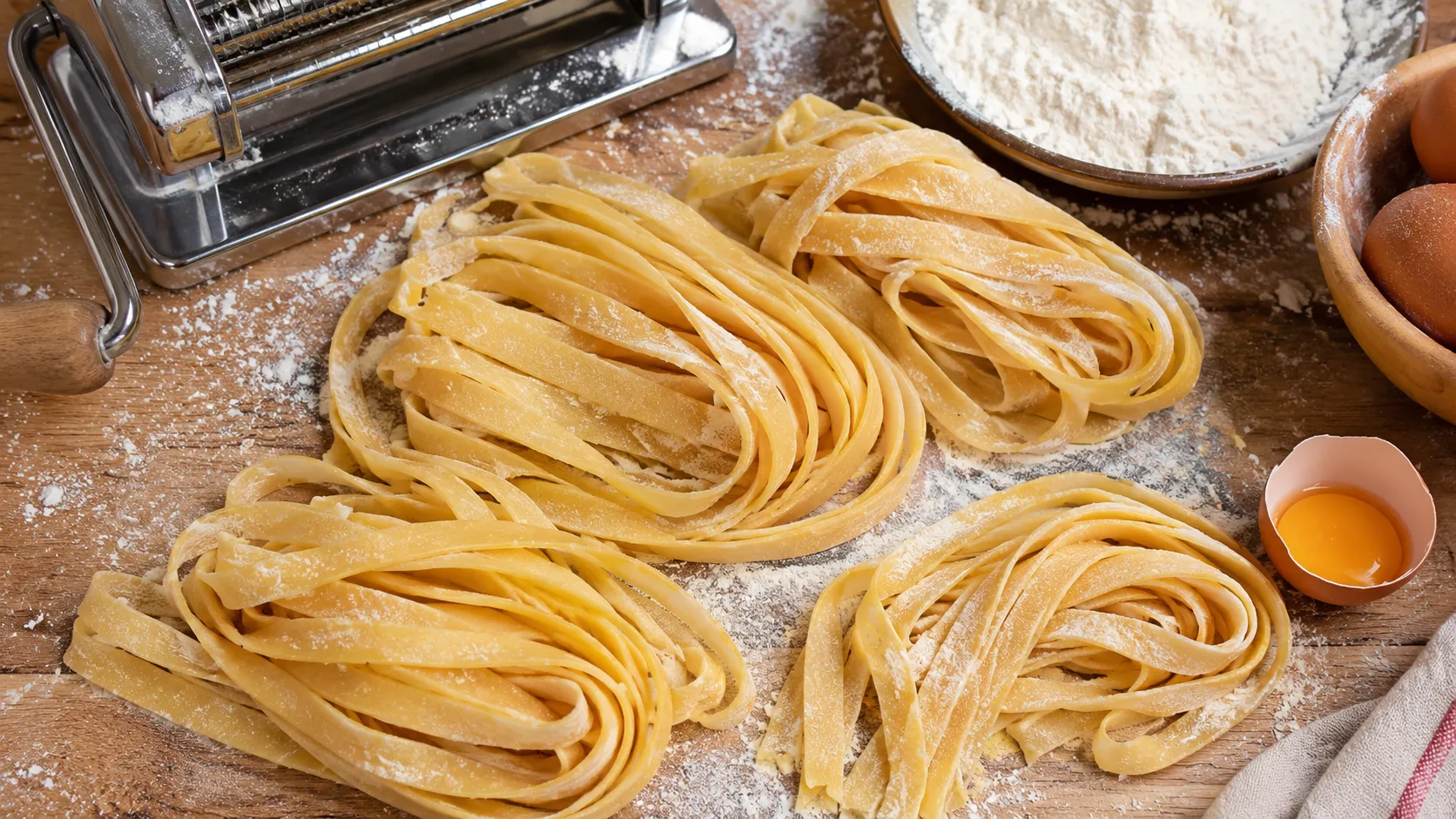
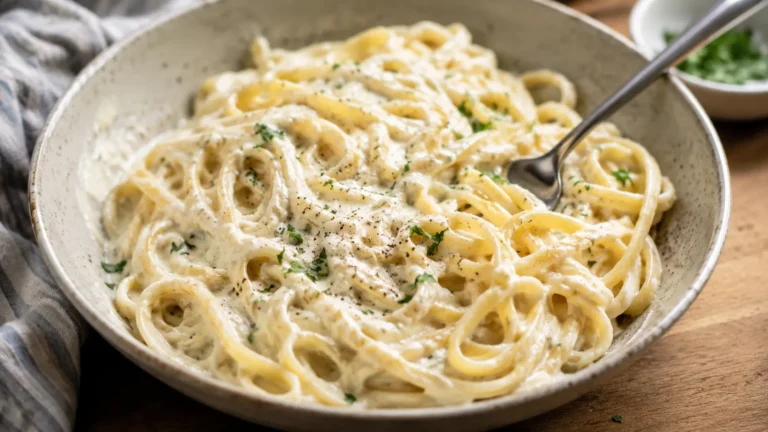
There is something special about a bowl of perfectly cooked pasta. The moment creamy sauce coats every strand, the aroma of garlic and Parmesan fills the kitchen, and the first bite feels comforting, you understand why classic pasta dishes never go out of style. Among all the pasta shapes, fettuccine has earned a special place because its wide, flat ribbons are perfect for holding rich sauces.
Whether you buy them from the store or make them at home, fettuccine noodles are one of the best choices for creamy pasta recipes. Their broad surface helps sauces cling beautifully, making every bite flavorful instead of leaving sauce behind in the bowl.
Many people think making or choosing the right pasta is complicated, but it does not have to be. Understanding the differences between fresh and dried pasta, learning how to cook it correctly, and knowing which sauces work best can completely change your pasta experience.
This guide covers everything from homemade pasta techniques and cooking tips to storage, cost comparisons, common mistakes, and the best ways to enjoy fettuccine with a homemade Alfredo sauce.
What Are Fettuccine Noodles and Why Do They Work So Well?
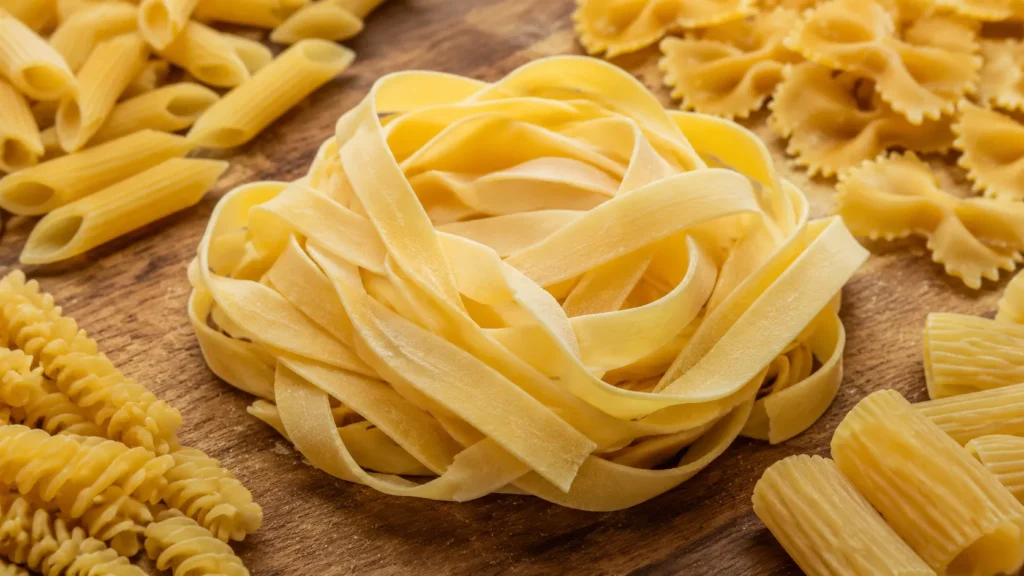
Fettuccine is a traditional Italian pasta shape made as long, flat ribbons. The name comes from the Italian word meaning “little ribbons,” which perfectly describes its appearance. Unlike thin spaghetti or round pasta shapes, fettuccine has a wider surface that creates more space for sauces to stick.
This pasta is especially famous in creamy dishes because thick sauces can coat the entire noodle instead of sliding off. That is why recipes like Fettuccine Alfredo became so popular. The combination of pasta, butter, cream, cheese, and seasonings creates a rich dish where the texture of the noodle matters just as much as the sauce.
Traditional versions are usually made with flour and eggs, creating a smooth dough that can be rolled and cut into ribbons. Modern versions are also available as dried pasta made from durum wheat, which provides a firm texture after cooking.
For everyday meals, fettuccine works well because it is versatile. You can serve it with creamy Alfredo sauce, tomato-based sauces, pesto, garlic butter, vegetables, chicken, or seafood.
Quick Fettuccine Noodles Guide: Time, Yield, and Cooking Overview
Before making or buying pasta, it helps to know what to expect. Fresh and dried pasta behave differently in the kitchen, so cooking time and serving sizes can change depending on the type you choose.
| Category | Details |
| Preparation Time | About 20–40 minutes for homemade pasta |
| Cooking Time | 3–5 minutes fresh, 8–12 minutes dried |
| Servings | About 4 servings per pound |
| Difficulty | Beginner-friendly with practice |
| Cuisine | Italian-inspired |
| Best Pairing | Alfredo sauce, creamy sauces, tomato sauces |
| Texture | Tender with a slight bite |
Fresh pasta cooks quickly because it contains more moisture. Dried pasta takes longer because it needs time to absorb water and soften. Both can create a great meal when cooked correctly.
Fettuccine Noodles Cost Breakdown: Homemade vs Store-Bought Options
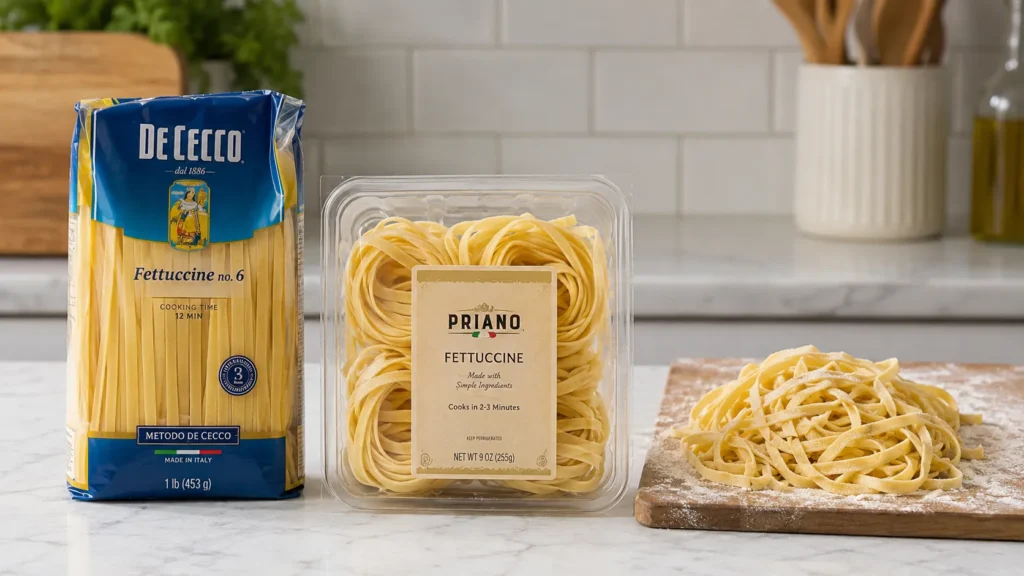
One thing many recipe websites skip is the actual cost difference between pasta options. The price you pay is not only about the package size; it also depends on how many servings you get from it.
| Type | Price Range | Servings | Cost Value | Best For |
| Dried pasta | Lower cost | More servings per pound | Budget friendly | Everyday meals |
| Fresh store-bought pasta | Higher cost | Fewer servings per pound | Premium option | Quick special dinners |
| Homemade pasta | Ingredient cost varies | Depends on recipe | More hands-on value | Fresh texture and flavor |
| Gluten-free pasta | Usually higher | Similar servings | Specialty choice | Dietary needs |
Dried pasta is usually the most affordable option for regular cooking. It stores well and is easy to keep in the pantry. Fresh pasta costs more because of refrigeration, shorter shelf life, and production methods.
Homemade pasta sits somewhere in the middle. The ingredients themselves are simple, but the value comes from the texture and cooking experience. If you enjoy making pasta from scratch, the result can feel worth the extra effort.
For a creamy Alfredo dinner, all options can work. The biggest difference comes from texture and how the pasta holds the sauce.
Ingredients That Make Better Fettuccine Noodles at Home
Making pasta at home does not require a long list of ingredients. The quality of each ingredient matters more than the number of ingredients.
- Flour creates the structure of the dough. Many people use all-purpose flour because it is easy to find and works well for homemade pasta. Some recipes use specialized pasta flour for a smoother texture.
- Eggs provide moisture and richness while helping create a soft, flexible dough. They also contribute to the golden color that makes fresh pasta look appealing.
- Salt improves flavor. Even though pasta dough contains only a small amount of seasoning, properly salted cooking water makes a noticeable difference.
- Water is mainly used during cooking rather than always inside the dough. The starchy water left after boiling pasta can help loosen sauces and help them coat the noodles better.
The goal is a dough that feels smooth and elastic rather than dry or sticky.
How to Make Fettuccine Noodles at Home Step by Step
Making homemade pasta is easier than many people expect. The process requires patience more than advanced skills.
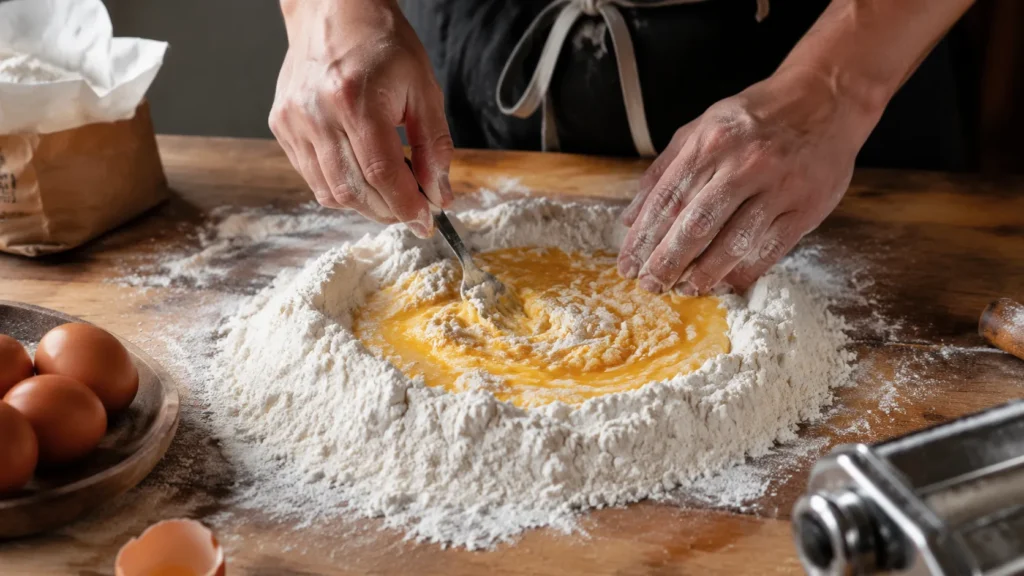
Start by placing flour on a clean surface and creating a small well in the center. Add eggs into the middle and slowly combine them with the flour. Mixing gradually helps the dough come together evenly.
Once the dough forms, knead it until it becomes smooth and flexible. This step develops the structure needed for pasta that holds together during cooking.
After kneading, wrap the dough and let it rest. Resting allows the dough to relax, making it easier to roll without springing back.
Roll the dough into thin sheets using a pasta maker or rolling pin. The thinner sheets create delicate noodles that cook quickly and have a pleasant texture.
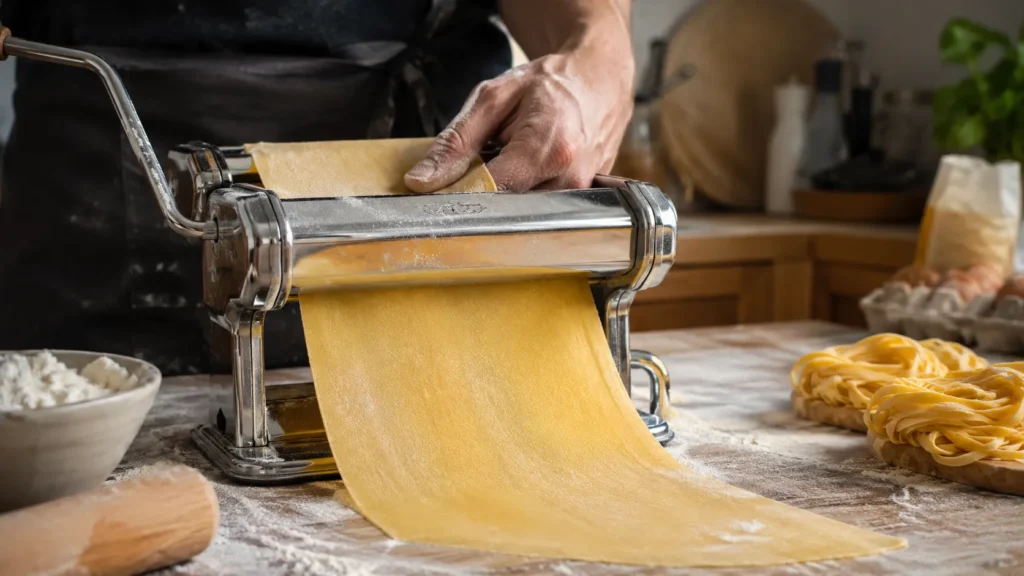
Cut the sheets into long ribbons, lightly dust them with flour, and separate them before cooking.
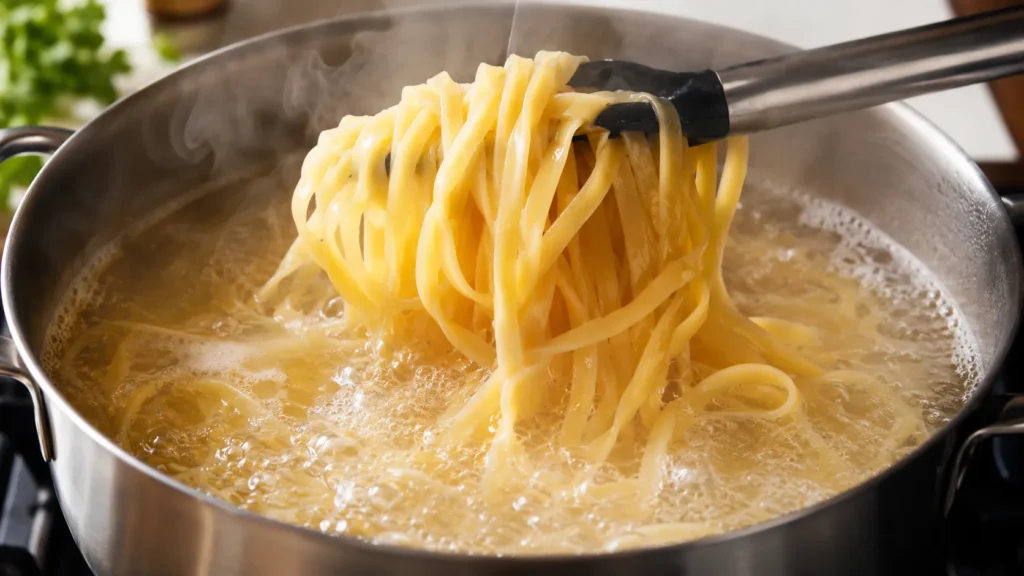
Bring salted water to a boil, add the fresh pasta, and cook until tender. Fresh noodles usually need only a few minutes, so keep an eye on them to avoid overcooking.
Why Do Fettuccine Noodles Stick Together and How Can You Prevent It?
One of the most common problems people face when cooking pasta is ending up with a sticky clump instead of separate, beautiful ribbons. Many people immediately blame the pasta itself or think adding oil to the water is the solution, but the real reason is usually related to starch, space, and timing.
As pasta cooks, starch moves to the surface. When noodles sit too close together without enough water movement, that starch becomes sticky and causes the strands to attach to each other.
| Problem | Likely Cause | Simple Fix |
| Noodles stick after cooking | Not enough water | Use a large pot with plenty of water |
| Fresh pasta sticks before boiling | Strands touching while resting | Dust lightly with flour and separate noodles |
| Pasta clumps after draining | Sitting too long without sauce | Toss with sauce immediately |
| Sauce does not coat noodles | Too much rinsing | Keep some pasta water and avoid rinsing |
For fresh pasta, separating the strands before cooking makes a big difference. After cutting the noodles, lightly dust them and avoid leaving them in a pile where moisture can create sticking.
Another helpful trick is adding the cooked pasta directly into your sauce instead of letting it sit. This allows the sauce to coat the surface while the starch is still helping create a smooth texture.
Why Fresh Pasta Cooks Faster Than Dried Pasta
Fresh pasta and dried pasta may look similar, but they behave differently because of their moisture content. Fresh pasta contains much more water, which means the heat from boiling water can soften the structure much faster. Dried pasta has been dehydrated, so it needs more time for water to move into the center and create the right texture.
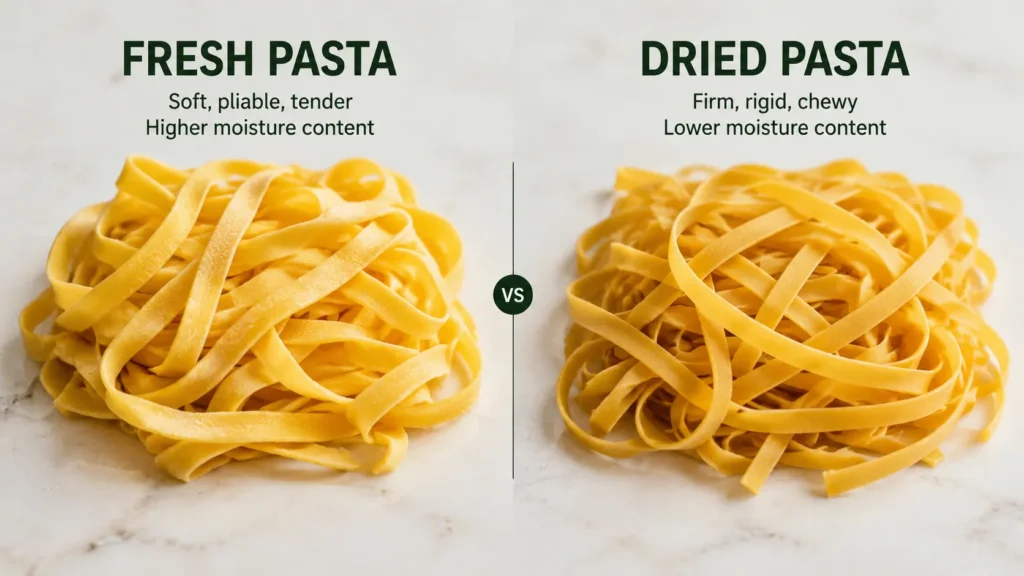
This difference also affects sauce absorption. Fresh noodles have a softer surface that can hold onto creamy sauces quickly, while dried pasta usually provides a firmer bite. That is why fresh pasta often cooks in just a few minutes. The key is watching carefully because the difference between perfectly tender and overcooked can happen quickly.
Fettuccine vs Linguine vs Tagliatelle vs Pappardelle: What Is the Difference?
Long pasta shapes may look similar, but each one has a different texture and purpose. Choosing the right shape can change how a sauce feels in every bite.
| Pasta Shape | Texture | Typical Use | Best Sauce Match |
| Fettuccine | Flat, wide ribbons | Creamy pasta dishes | Alfredo, rich sauces |
| Linguine | Flat but narrower | Seafood and lighter sauces | Garlic butter, seafood |
| Tagliatelle | Wider egg pasta | Traditional Italian meals | Meat sauces |
| Pappardelle | Very wide ribbons | Heavy sauces | Slow-cooked sauces |
Fettuccine sits in the perfect middle ground. It is wide enough for creamy sauces but not so wide that it feels heavy. This makes it one of the best choices for a homemade Alfredo sauce.
While these pasta shapes can sometimes be substituted, the final texture will change. A delicate sauce may work better with thinner noodles, while rich sauces usually benefit from wider ribbons.
Choosing the Best Equipment for Making Homemade Pasta
Making homemade pasta does not require expensive equipment, but the right tools can make the process easier.
A rolling pin works well for beginners. It requires more effort, but it allows anyone to make fresh noodles without buying extra tools.
A manual pasta machine creates more even sheets and consistent noodles. However, hand-crank machines require attention because one person may need to roll while another helps guide the pasta sheet.
A stand mixer attachment offers more convenience because the machine handles the rolling process while you focus on feeding and cutting the dough.
| Method | Cost | Effort | Result |
| Rolling pin | Low | Higher | Rustic homemade noodles |
| Manual pasta machine | Medium | Moderate | Even pasta sheets |
| Mixer attachment | Higher | Easier | Consistent noodles |
The best option depends on how often you plan to make pasta. Occasional homemade pasta nights do not require professional equipment.
How Much Pasta Do You Need Per Person?
Many people underestimate or overestimate how much pasta they need. The right amount depends on whether you are serving it as a main dish or a side.
| Pasta Type | Amount Per Person |
| Dried pasta | Around 2 ounces per person |
| Fresh pasta | Around 3–4 ounces per person |
| Main course with sauce | Slightly more |
For a creamy dish like Fettuccine Alfredo, people often enjoy a slightly larger portion because the sauce makes the meal richer and more filling. Planning portions ahead also helps reduce waste, especially with fresh pasta that has a shorter storage life.
Looking for more creamy pasta ideas? Explore our collection of Alfredo recipes for your next meal.
Gluten-Free Fettuccine: What Should You Expect?
Gluten-free pasta has improved significantly, but the texture is not always identical to traditional pasta. Many gluten-free versions use ingredients like rice flour or other alternative grains. Some brands hold sauce well, while others can become soft quickly if overcooked.
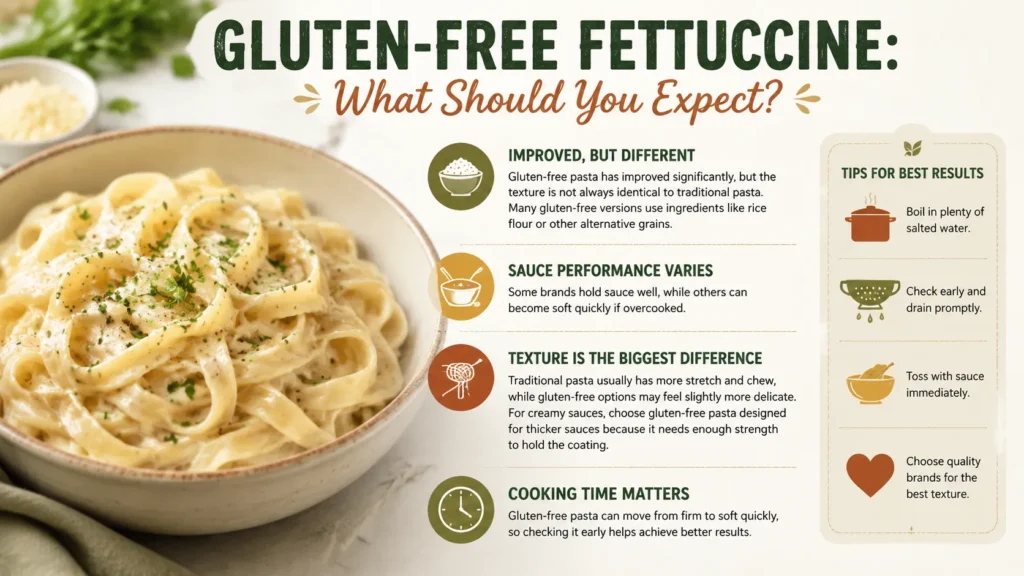
The biggest difference is texture. Traditional pasta usually has more stretch and chew, while gluten-free options may feel slightly more delicate. For creamy sauces, choose gluten-free pasta designed for thicker sauces because it needs enough strength to hold the coating.
Cooking time also matters. Gluten-free pasta can move from firm to soft quickly, so checking it early helps achieve better results.
How to Choose Quality Fettuccine Noodles at the Store
Not all packaged pasta is the same. Small details in production can affect flavor, texture, and how well the noodles hold sauce.
Look for pasta made with quality wheat and a texture that feels slightly rough rather than completely smooth. A rough surface helps sauce cling better.
For premium dried pasta, some people prefer slow-dried methods because they can create a firmer texture.
When buying fresh pasta, check the storage instructions and expiration date because refrigerated noodles have a much shorter shelf life.
The best pasta is not always the most expensive one. A good-quality option that matches your recipe is often the better choice.
“Following basic food storage guidelines helps keep homemade pasta fresh longer.”
Storage Guide: How Long Do Fettuccine Noodles Last?
Storage depends heavily on the type of pasta you have. Fresh pasta, dried pasta, and specialty versions all have different shelf lives.
Dried pasta is the easiest to store because it is designed to last much longer. Keep it in a cool, dry pantry away from moisture, and it can stay usable for a long time.
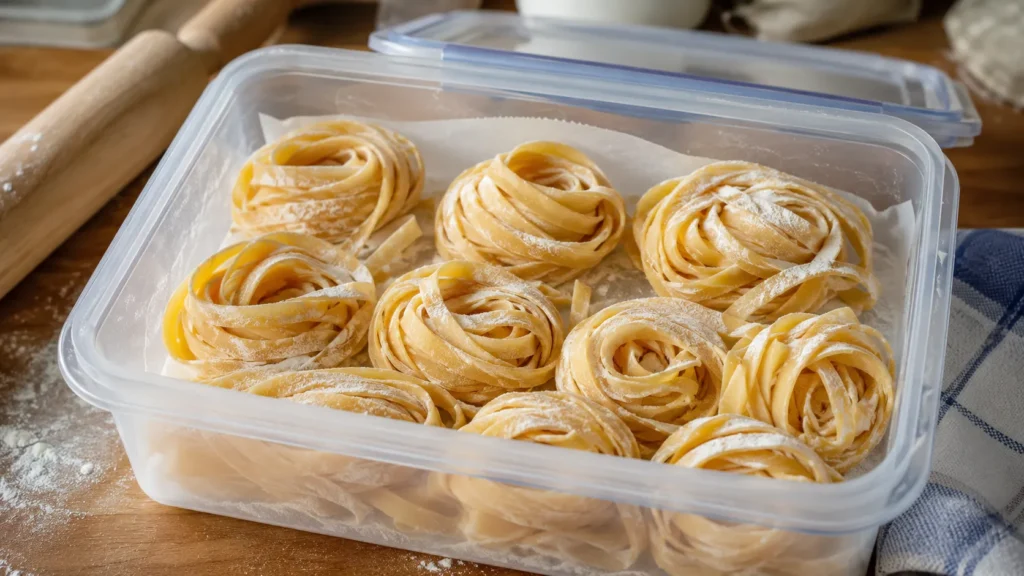
Fresh homemade pasta needs more attention because it contains moisture. If you are not cooking it immediately, proper refrigeration or freezing helps maintain quality.
| Pasta Type | Refrigerator | Freezer | Pantry |
| Dried pasta | Not needed | Long-term storage | Months to years |
| Fresh homemade pasta | Short storage | Several months | Not recommended |
| Fresh store-bought pasta | Follow package date | Depends on product | Not recommended |
Fresh noodles may become sticky, develop an unusual smell, or change texture when they are no longer good.
Freezing fresh pasta is a great option if you make a large batch. Spread the noodles slightly before freezing so they do not freeze into one solid block.
Are Fresh Fettuccine Noodles Really Better Than Dried?
Best Ways to Serve Fettuccine Noodles With Alfredo Sauce
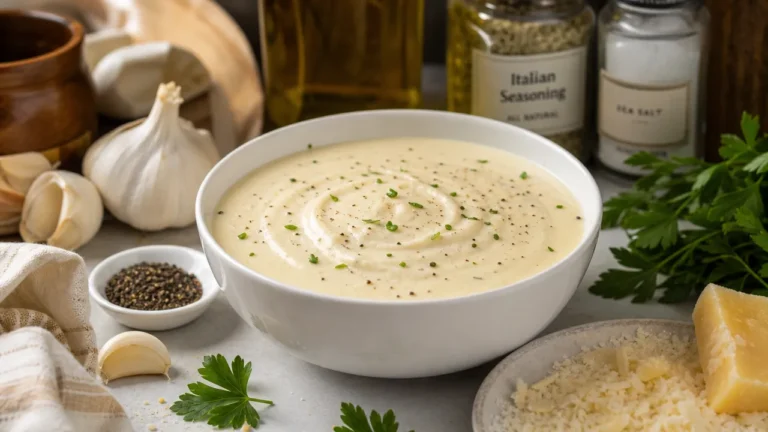
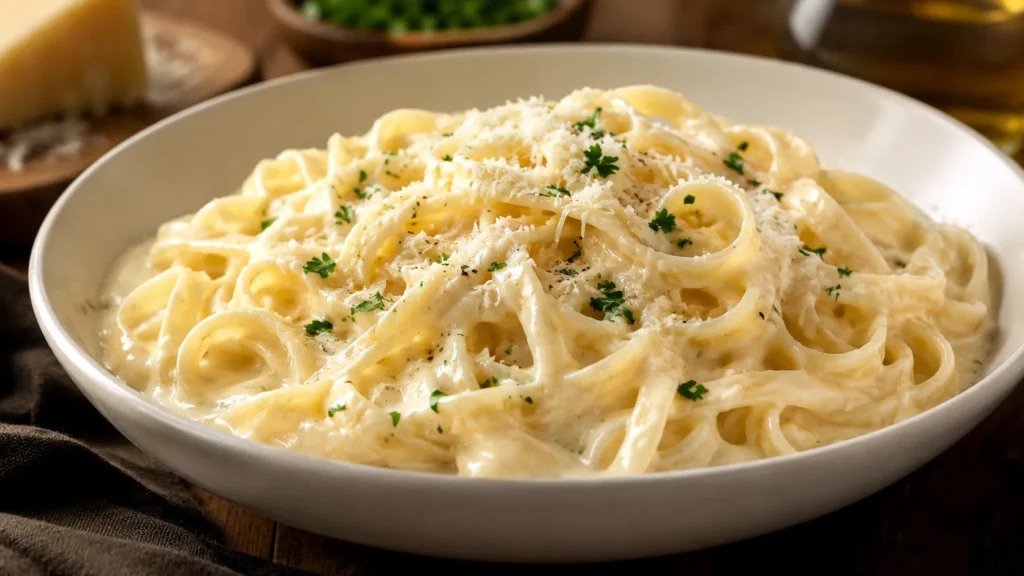
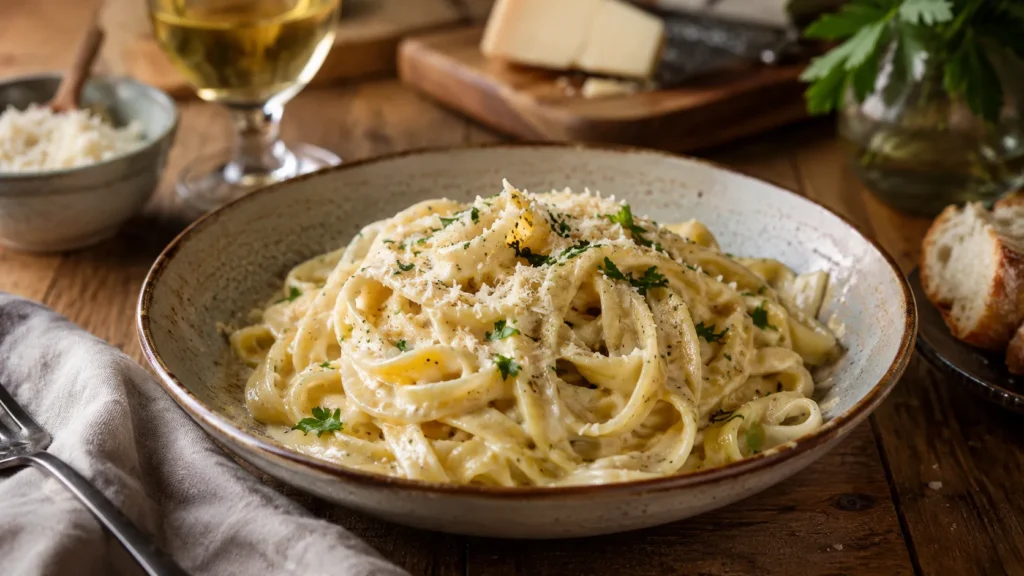
A creamy Alfredo sauce is one of the most popular ways to enjoy wide pasta ribbons. The smooth sauce works because it coats the surface instead of sitting only at the bottom of the plate. A classic Alfredo combination uses butter, cream, Parmesan cheese, and seasonings. The pasta water can help adjust the consistency and create a smoother finish.
For extra flavor, many home cooks add garlic, black pepper, parsley, chicken, or shrimp.
Some delicious pairings include:
- Creamy Alfredo sauce with Parmesan and garlic
- Chicken Alfredo for a filling dinner
- Shrimp Fettuccine Alfredo for a seafood option
- Roasted vegetables with creamy pasta
- Garlic bread and a fresh salad on the side
A small amount of pasta water can completely change the sauce texture. Adding it gradually helps create a silky coating instead of a thick or heavy sauce.
Learn how to make Alfredo sauce with milk for a lighter creamy pasta sauce with great flavor.
Common Mistakes When Cooking Fettuccine Noodles
- Even simple pasta dishes can go wrong when small details are ignored.
- One common mistake is using too little water. Pasta needs room to move so starch does not build up too quickly around the noodles.
- Another mistake is overcooking. Soft noodles may seem harmless, but they lose the texture that makes pasta enjoyable.
- Some people also rinse pasta after boiling. This removes surface starch, which is useful for helping sauces cling properly.
Important things to remember:
- Use enough boiling water
- Salt the cooking water
- Avoid overcooking
- Save some pasta water before draining
- Combine noodles with sauce while warm
Most pasta problems come from small timing issues rather than complicated cooking mistakes.
My Experience Making This Recipe at Home
When I first started working with homemade pasta, I thought the hardest part would be making the dough. Surprisingly, the bigger challenge was handling the noodles after cutting them. I learned that freshly cut pasta needs space. When I left the noodles piled together, they became sticky and difficult to separate.
The biggest improvement came from lightly dusting the noodles and making sure they were separated before cooking. Another lesson was not rushing the sauce. A creamy Alfredo sauce needs gentle heat. High heat can affect the texture and make the sauce less smooth.
Try this Fettuccine Alfredo sauce with half and half guide for a lighter creamy sauce.
Benefits of Making Pasta at Home
Homemade pasta is not only about the final dish. Many people enjoy the process because it creates a more personal cooking experience. Making your own noodles allows you to control ingredients and adjust the texture according to your preference.
Some common benefits include:
- Fresh texture and flavor
- Ability to customize thickness
- Fun cooking activity
- Better understanding of ingredients
- Flexible pairing with different sauces
Fresh pasta is also often appreciated because it turns a simple meal into something that feels more special.
Frequently Asked Questions About Fettuccine Noodles
Can I make fettuccine noodles without a pasta machine?
Yes, a rolling pin can work. Roll the dough thinly on a floured surface and cut it into strips with a sharp knife.
Why do my noodles stick together after cutting?
This usually happens because moisture and starch cause the strands to attach. Dusting with flour and separating them before cooking helps.
Are fresh noodles better for Alfredo sauce?
Fresh noodles work very well with Alfredo because they have a soft texture and hold creamy sauce nicely, but quality dried pasta can also be excellent.
How long should fresh pasta cook?
Fresh pasta usually cooks in a few minutes. Watch closely because it becomes tender much faster than dried pasta.
Can I freeze homemade noodles?
Yes. Freeze them in portions with a light coating of flour to prevent sticking.
What is the best sauce for wide pasta ribbons?
Creamy sauces, cheese-based sauces, and hearty sauces usually work well because they cling to the surface.
Can I substitute other pasta shapes?
Yes, but the texture changes. Wider noodles usually work better with rich sauces.
Final Thoughts on Choosing and Cooking Fettuccine Noodles
Fettuccine is one of those pasta shapes that proves simple ingredients can create something amazing. Whether you buy dried pasta from the store or make fresh noodles at home, the key is understanding how the pasta behaves. The right cooking method, proper storage, and a good sauce pairing can completely change the final result. For a comforting homemade meal, few combinations are better than perfectly cooked pasta with a creamy Alfredo sauce. Once you understand the basics, making restaurant-style pasta at home becomes much easier. Try different sauces, experiment with homemade techniques, and enjoy creating your own pasta night.
For a quick creamy option, try this 2 ingredient Alfredo sauce that keeps the flavor simple and rich.